
Everyday wiping
Grid and waffle cloths offer different textures for routine cleaning. SM21001 grid and SM21005 waffle are catalogue starting points, not interchangeable performance guarantees.
Explore the microfiber range →Materials → details → retail-ready brief
Choose the right base cloth first. Then develop colour, edge, artwork and packaging together — with the physical sample as the reference, not just an attractive screen preview.
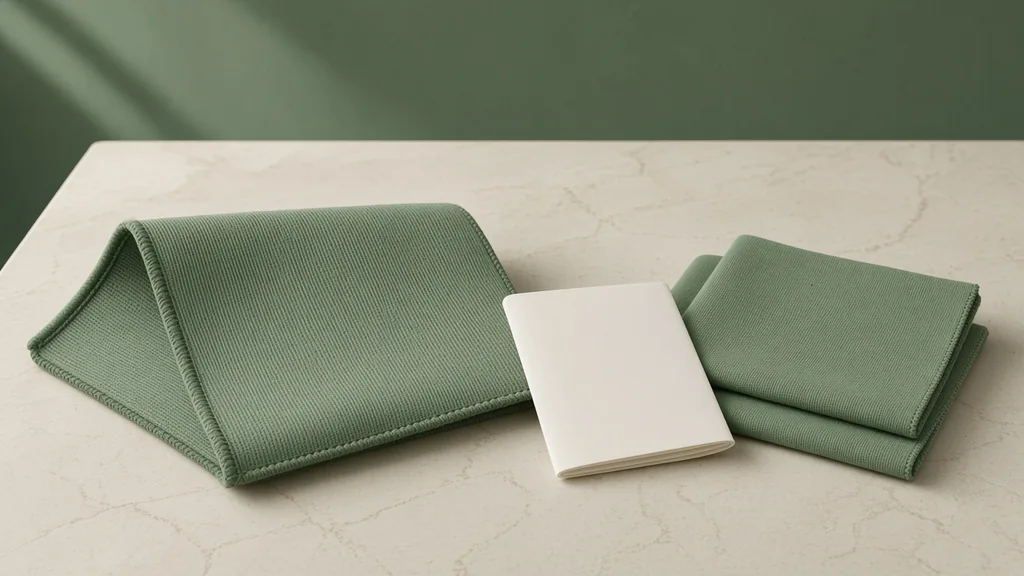
01 / Start with the task
The SM21 range includes grid, waffle, glass cloth and coral fleece formats. Start with the job the cloth needs to do, then discuss the construction and finish.
Grid and waffle cloths offer different textures for routine cleaning. SM21001 grid and SM21005 waffle are catalogue starting points, not interchangeable performance guarantees.
Explore the microfiber range →SM21033 glass cloth and SM21027 printed fishscale provide starting references for a finer surface. Confirm the intended surface and care routine; a glass-cloth name does not establish suitability for every lens or screen.
Compare private-label starting cloths →Coral fleece and twist-loop constructions offer other ways to approach wiping and drying. Choose from the car cloth range and confirm fabric weight, pile, finished dimensions and edge on your sample.
View car cloths & drying towels →02 / Define the specification
These are discussion options, not a promise that every combination is available for every product. Feasibility, minimum quantities and commercial terms are confirmed per quotation.
03 / From concept to approval
Our existing interactive design studio lets you choose a product, explore colours and patterns, position artwork and indicate packaging.
Its browser preview is an enquiry brief. Final print method, materials, size and packing are confirmed in the quotation and physical sample. Files selected in the studio remain in your browser until you attach them to the enquiry email.
Keep a revision number on the brief so changes can be traced from enquiry to approved sample.
04 / Agree before ordering
Minimum quantities, sample charges, artwork setup, packing and timing depend on the chosen specification. The existing OEM page sets out the published standard terms and programme timeline; this customization guide does not replace them. Confirm the final terms for your project in writing.
Send the item, intended use, quantity and destination market. Include the decisions you need the sample or quotation to resolve.